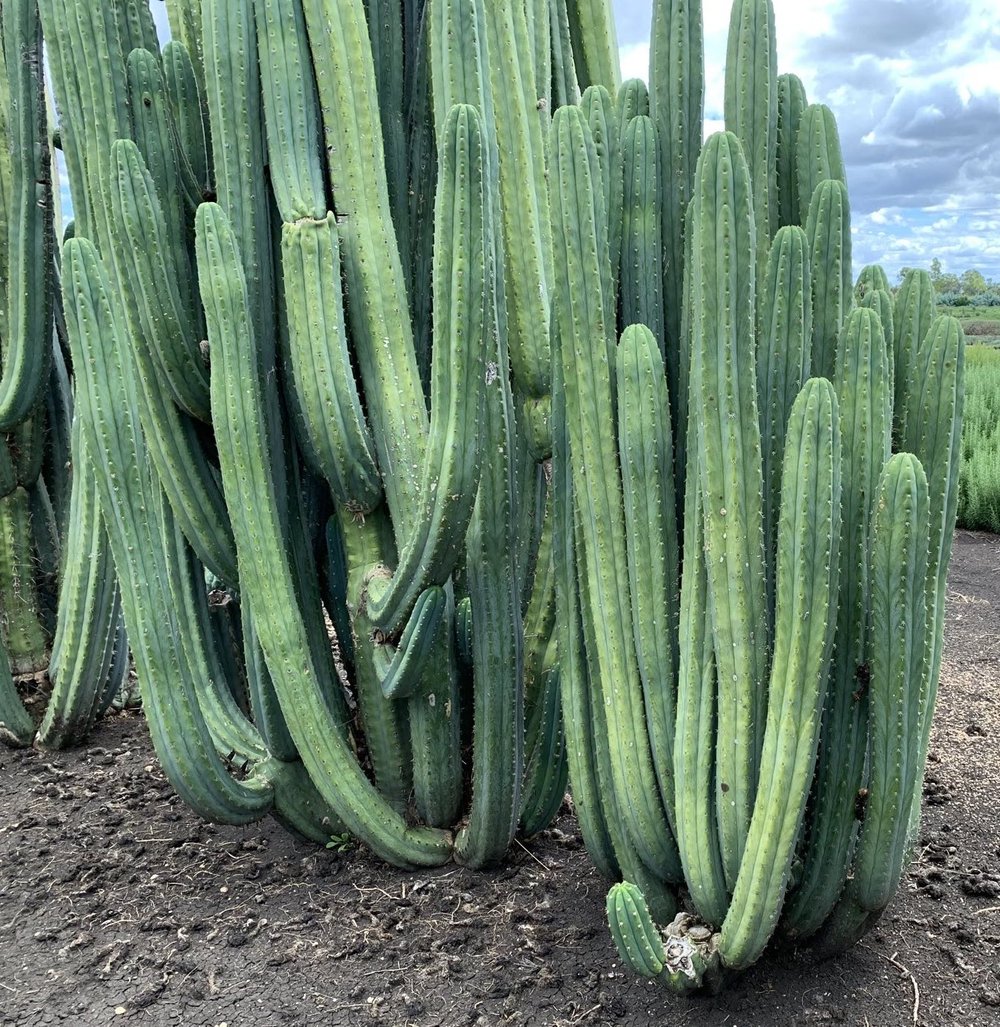
Huachuma, also known as San Pedro, is a psychoactive cactus native to the Andes in South America. It has a long history of ceremonial use in Indigenous traditions, particularly in Peru and surrounding regions. Its main psychoactive compound is mescaline.
Within some shamanic and Indigenous traditions, Huachuma is regarded as a plant teacher and is associated with healing, connection and spiritual insight.
Huachuma is often described very differently from Ayahuasca. While both can produce profound changes in perception, emotion and thought, people frequently describe Huachuma experiences as more grounded, open and connected to their surroundings. Nature, music, other people and the body can become especially vivid or meaningful.
At Ancient Mother, Huachuma is part of our 4-day retreat, following two Ayahuasca ceremonies. We value the different character Huachuma can bring after the intensity of the previous days: often more outward, grounded and connected to the world around you. At the same time, as always, every experience is different.
What are the effects and what can you expect?
Huachuma experiences vary widely. Many people describe a sense of openness, warmth and connection with nature, themselves and the people around them. Colours, sounds and physical sensations may become more vivid, and ordinary things can suddenly feel striking, beautiful or deeply meaningful.
The experience often develops gradually. Compared with Ayahuasca, Huachuma is frequently described as more outward-facing, embodied and grounded, with less emphasis on visions. Some people experience clarity, creativity, playfulness or a strong sense of love and gratitude. Others may encounter difficult emotions, confusion, physical discomfort or periods in which very little seems to happen.
Huachuma can also have an explicitly spiritual quality. People sometimes describe feeling connected to something larger than themselves, experiencing a sense of awe or sacredness, or seeing themselves and their lives from a different perspective. Others may experience similar effects without understanding them in spiritual terms. Some people also describe a temporary quieting or disappearance of the usual inner commentary or sense of “me”, sometimes referred to as a dissolution of the ego.
The effects can last for many hours, up to 12. Physical effects may include nausea, changes in body temperature, increased heart rate and blood pressure, and sometimes vomiting. The intensity and duration vary from person to person.
Why Huachuma after Ayahuasca?
In our 4-day retreat, the Huachuma ceremony takes place after two Ayahuasca ceremonies. This is a deliberate part of the way we have structured the retreat.
After two Ayahuasca ceremonies, there can be a lot to take in. Experiences may have been intense, emotional, confusing, beautiful or unexpectedly quiet. Rather than treating Huachuma as simply a third psychedelic experience, we see the day as a different part of the retreat.
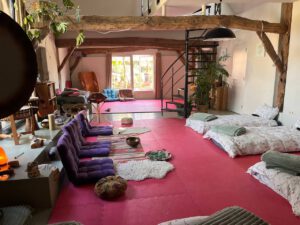
Huachuma is often experienced as more outward-facing and grounded. The ceremony takes place during the day, with room for nature, music, movement, conversation and silence. By this point in the retreat, after sharing two Ayahuasca ceremonies, the group often no longer feels like a group of strangers. That familiarity can make the Huachuma day feel particularly open and intimate. For some, the day also creates a natural transition from the intensity of the previous nights towards being back in the world.
Sometimes things that arose during Ayahuasca feel different in the light of the Huachuma day. Sometimes new perspectives emerge. And sometimes it is simply a beautiful day spent together, without anything that needs to be understood or resolved.
We don’t see Huachuma as something that necessarily completes an Ayahuasca experience or ensures its integration. It is simply a different medicine, with a different character, and one we value as the final ceremony of our 4-day retreat.